
I knew I had a record I wanted people to hear. I didn't expect anyone to start inviting SUEZ3 to festivals.
No Passport was written before I had settled on SUEZ3's final appearance. By the time I began sharing promotional reels, I'd spent months working on the music, the voice, and the visuals—trying to make them feel like parts of the same artist.
The Puerto Rican Day Parade gave the song a timely setting. I was fitting this work around my regular job, testing scenes, throwing away the ones that missed, and keeping what felt right. I wasn't working from a viral playbook. I wanted to see whether the music and the character could reach people beyond my own screen.
A Song Meets the Parade
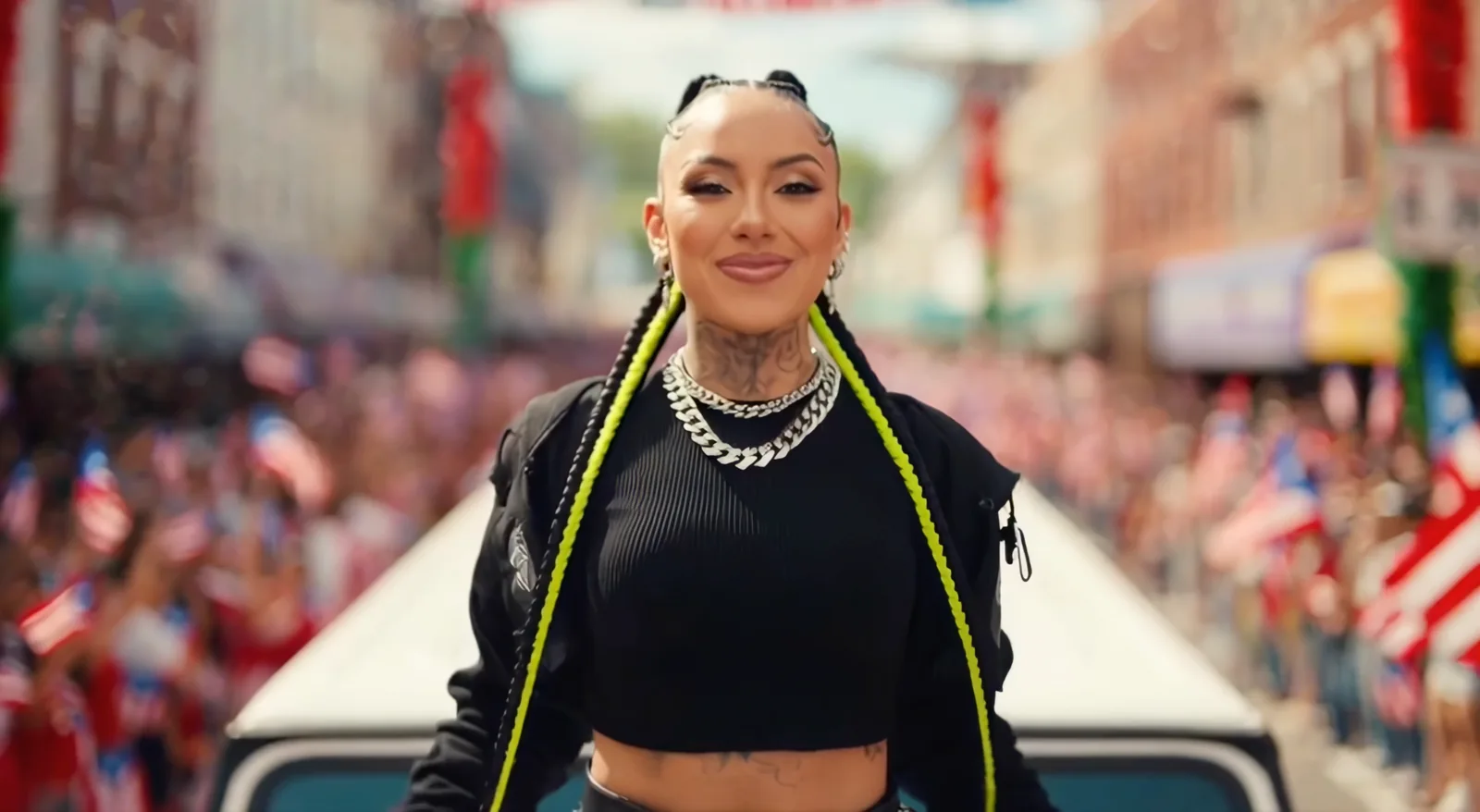
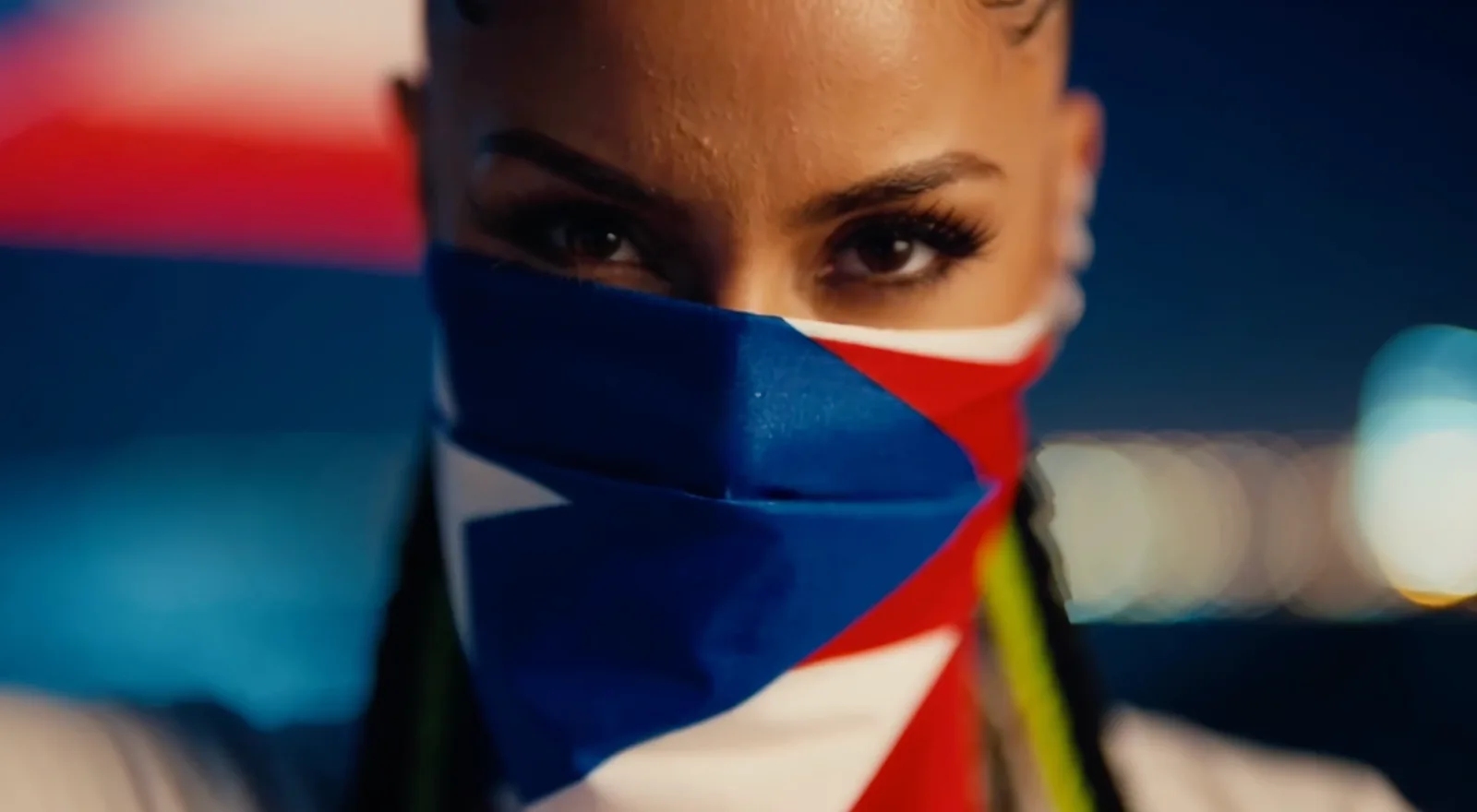
The New York and Puerto Rican influences were already part of No Passport. The parade gave me a chance to build a visual campaign around them: flags, busy streets, crowds, and SUEZ3 moving through scenes that carried the energy I had in mind.
None of it was documentary footage of an actual performance or parade appearance. I was creating those scenes digitally, choosing shots, adjusting expressions, and editing the versions that worked into short social videos. There were plenty I never used.
A finished reel might only last a few seconds. Getting it to look and feel the way I wanted sometimes took far longer than that.
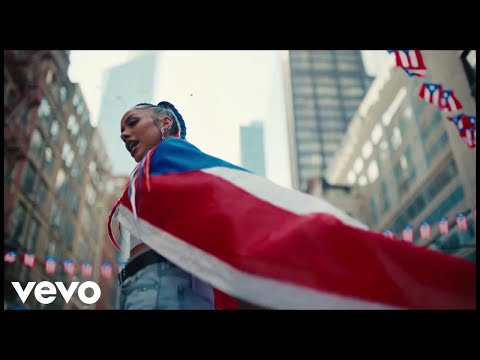
SUEZ3 — No Passport
The official No Passport video. The parade-inspired social clips helped introduce both the record and SUEZ3 to a wider audience.
Watch No Passport on YouTubeThe First Time I Saw 100K
I spend a lot of time working with data. That didn't make my first 100,000-view reel feel ordinary.
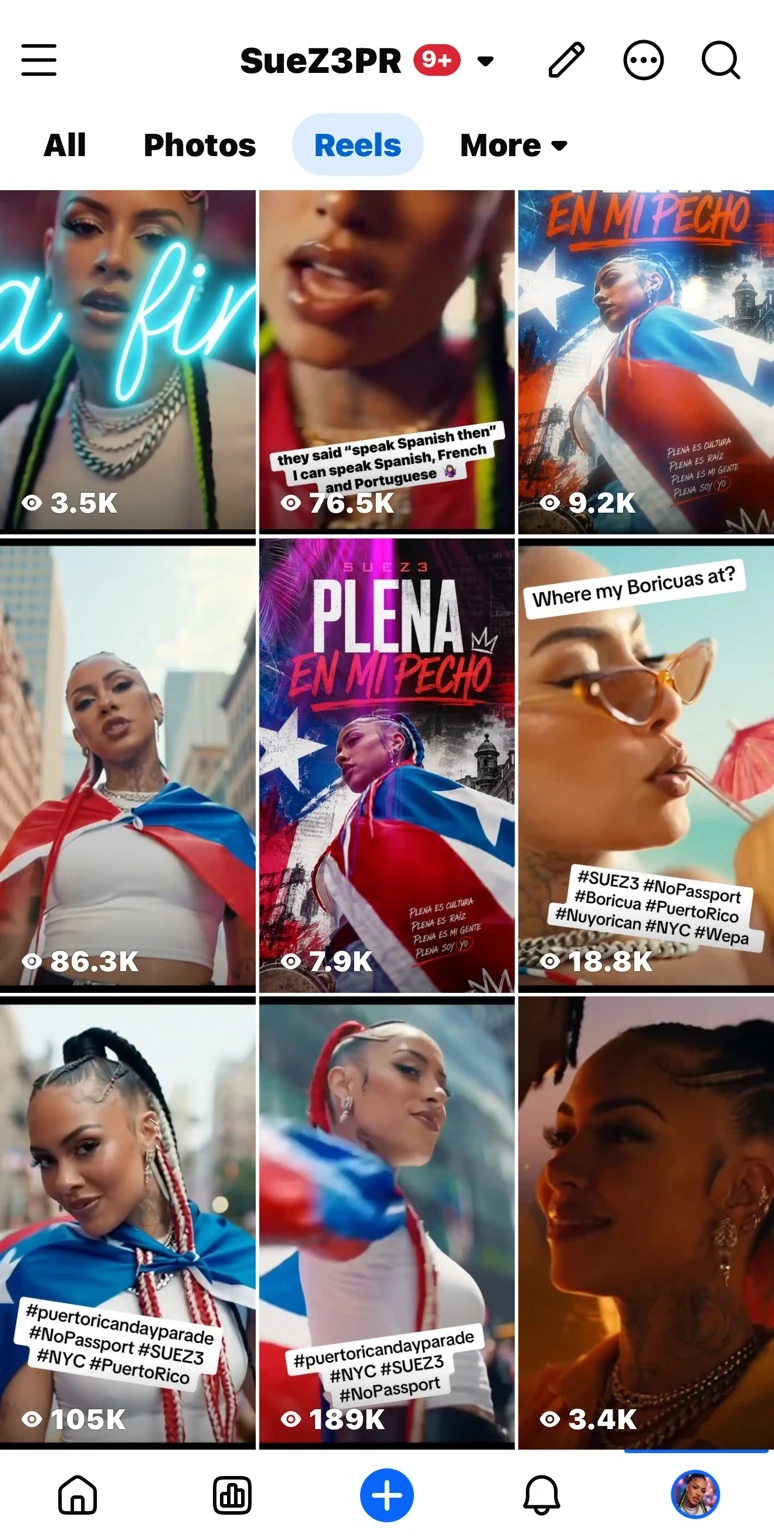
I remember checking the results, coming back later, and finding that the number had climbed again. One clip eventually reached 189,000 views. Others passed 105,000, 86,000, and 76,000. Those were views on individual reels—small videos I'd made while learning how to bring a digitally imagined artist to the screen.
I started comparing the clips the way I would any other set of results. What caught someone's attention? Was it the record, the setting, the Puerto Rican connection, or SUEZ3 herself? I had theories, but the response wasn't something I could neatly attribute to one creative choice.
Beyond One Viral Clip
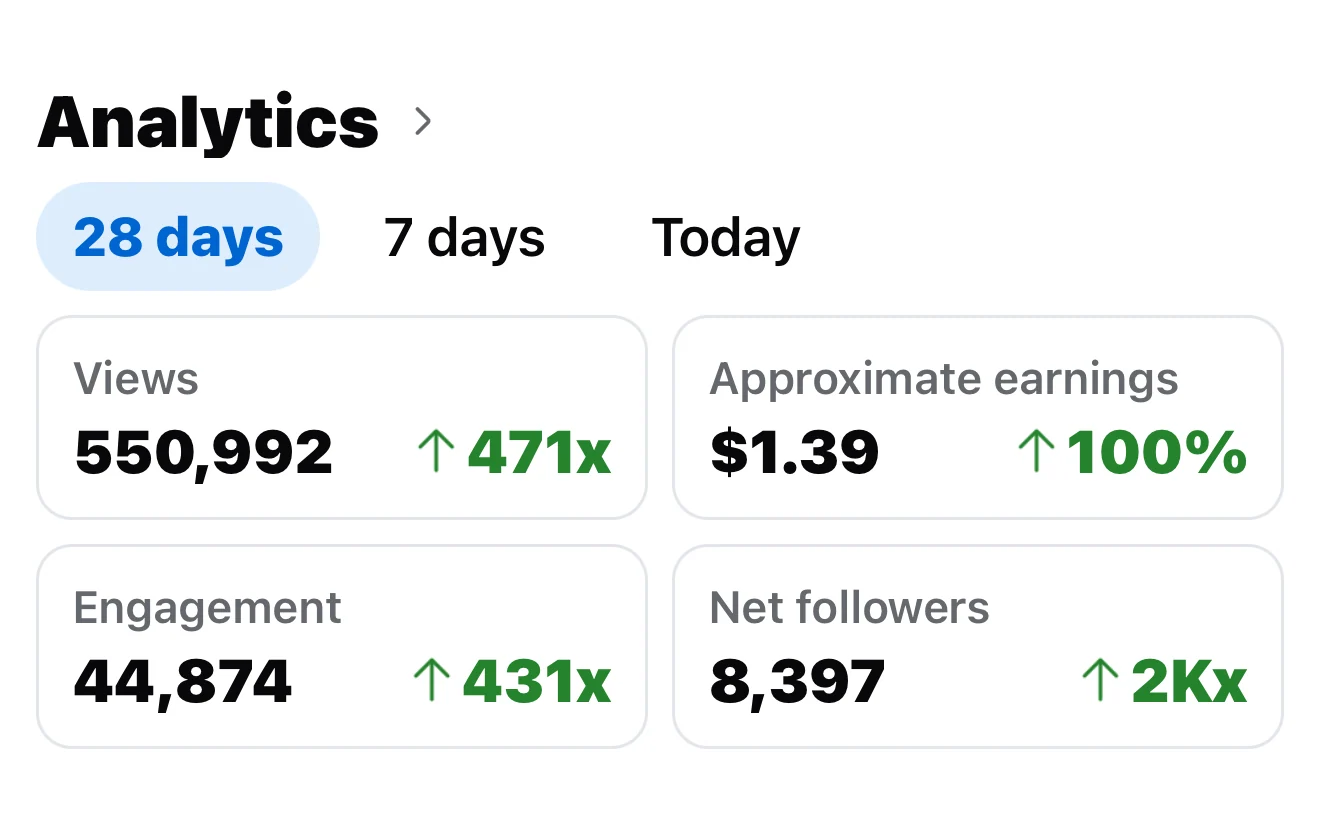
The individual videos were exciting, but the account-level picture gave me a better idea of the scale. Across one 28-day reporting window, Meta showed more than half a million views and thousands of new followers.
Those numbers describe activity across the account, not streams of No Passport or views on a single video. It's a distinction I care about. I work with analytics, and I don't like impressive figures being presented without explaining what they measure.
The bigger takeaway was simple: the audience wasn't confined to one lucky reel. People were finding SUEZ3 through multiple posts, following the account, and engaging with the character.
Meta account totals during this 28-day period. Individual reel views are part of this activity, not additional views to add on top.
When People Started Reaching Out
A view count is one thing. A festival invitation in the inbox is something else.
People contacted the SUEZ3 account about Puerto Rican festivals. Others presented themselves as potential music managers. Some messages were personal in ways I hadn't anticipated, including unwanted attention from men who seemed to believe they were speaking to a human performer.
I'm not reproducing those messages or naming the people who sent them. They wrote privately, and I don't need to put anyone on display to explain what I was experiencing.
What interested me was the change in how people responded. I had been working to make SUEZ3 feel like an artist with a point of view. Now people were approaching her as if there might be a person behind that on-camera presence.
A Moment With SUEZ3, Outside the Song
I also experimented with a short social-style video of SUEZ3 speaking directly to the audience. No verse, no full music video—just a moment designed to test how she'd come across addressing people on camera. It made her feel more present, which was both fascinating and something I needed to think carefully about.

The Messages That Stayed With Me
The comments I kept thinking about weren't the strange ones. They came from people expressing genuine pride.
Some Puerto Rican viewers welcomed the representation. Others thanked SUEZ3 or encouraged people in the community to support one another. I'm paraphrasing the sentiment here rather than publishing private messages.
I was glad the music connected. That was why I shared it. But reading that kind of encouragement felt different from watching a chart go up. People were bringing their own experiences and feelings about culture to something I had created.
I hadn't expected the character to carry that kind of meaning for someone else. I appreciated it, and I also began asking myself what viewers understood about who—or what—they were responding to.
An Imagined Artist. A Real Response.
I can tell you how much work went into SUEZ3: the songs I revised, the scenes I rejected, the visual consistency I kept chasing, and the time spent editing a few seconds of usable footage. The creative decisions were real.
The person on screen was digitally imagined. She hadn't lived the childhood, career, or personal experiences a viewer might naturally assign to a convincing performer. That difference mattered more to me once people started connecting with her through something as personal as cultural identity.
I was proud of what I'd created, but I didn't want to confuse a believable performance with a real-life history. I was still figuring out how to talk about the project clearly without dismissing the genuine enjoyment and support people brought to it.
I don't have to pretend I had every answer at that moment. I didn't. Those questions became part of the work, too.
More Than a Number
I still remember seeing those first reels pass 100,000 views. It was exciting, especially knowing how much trial and error was behind them.
What stayed with me longer was the realization that SUEZ3 meant something to people I had never met. The dashboards showed how far the videos traveled. The messages made me more thoughtful about what I'd put into the world.
The music, the visuals, and the character were still evolving. So was my understanding of what it meant to be responsible for an artist I'd imagined—and for the audience choosing to listen.