
I didn't set out to create a recording artist.
I was curious about what these new AI tools could do, and once I started experimenting, I wanted to see how far I could take them. I had ideas for characters, images and stories, but no particular destination in mind.
One experiment usually led to another. Sometimes I'd spend hours trying to get an image close to what I pictured. Other times, an unexpected result would send me in a completely different direction.
It Started With Curiosity.
I'd been exploring generative imagery for years, watching the technology change while I developed my own approach to prompting and visual direction. Midjourney became an important part of that education.
But back then, I wasn't opening a polished design app. I was working through Discord. First I had to learn the channels, the commands, and how to ask for variations. Much of that happened in a shared space where other people could see what I was generating.
Eventually I wanted more privacy, so I paid for private access. I could experiment with characters, visual concepts and imaginary worlds without showing every unfinished idea to everyone else.
I learned there was a difference between getting an interesting result and getting the result I actually wanted. I'd change the composition, rethink the lighting, adjust a character and try again. That was when I started learning to direct an image instead of simply generating one.

Eventually, still images weren't enough. I wanted them to move.
Then Came Sora.
Sora opened up a completely different set of possibilities. Now those characters could move, scenes could have camera movement, and an idea could turn into a short sequence that felt like part of a much larger film.
I had access to roughly 100 generations a day. That gave me room to try unusual ideas, revise shots and see what the technology could handle. It was an exciting time to be learning by doing.
A lot of those first experiments began on my phone. The workspace image below is from my desktop drafts later on, but it captures the range of scenes and characters I kept testing.



One direction I kept returning to was hip-hop. I explored the sounds, looks and experiences of the 1970s, '80s and '90s through scenes inspired by New York and Philadelphia. Subway cars, streets, graffiti and skylines became pieces of a larger collage. I even mixed in NFC East football culture, including the New York Giants.
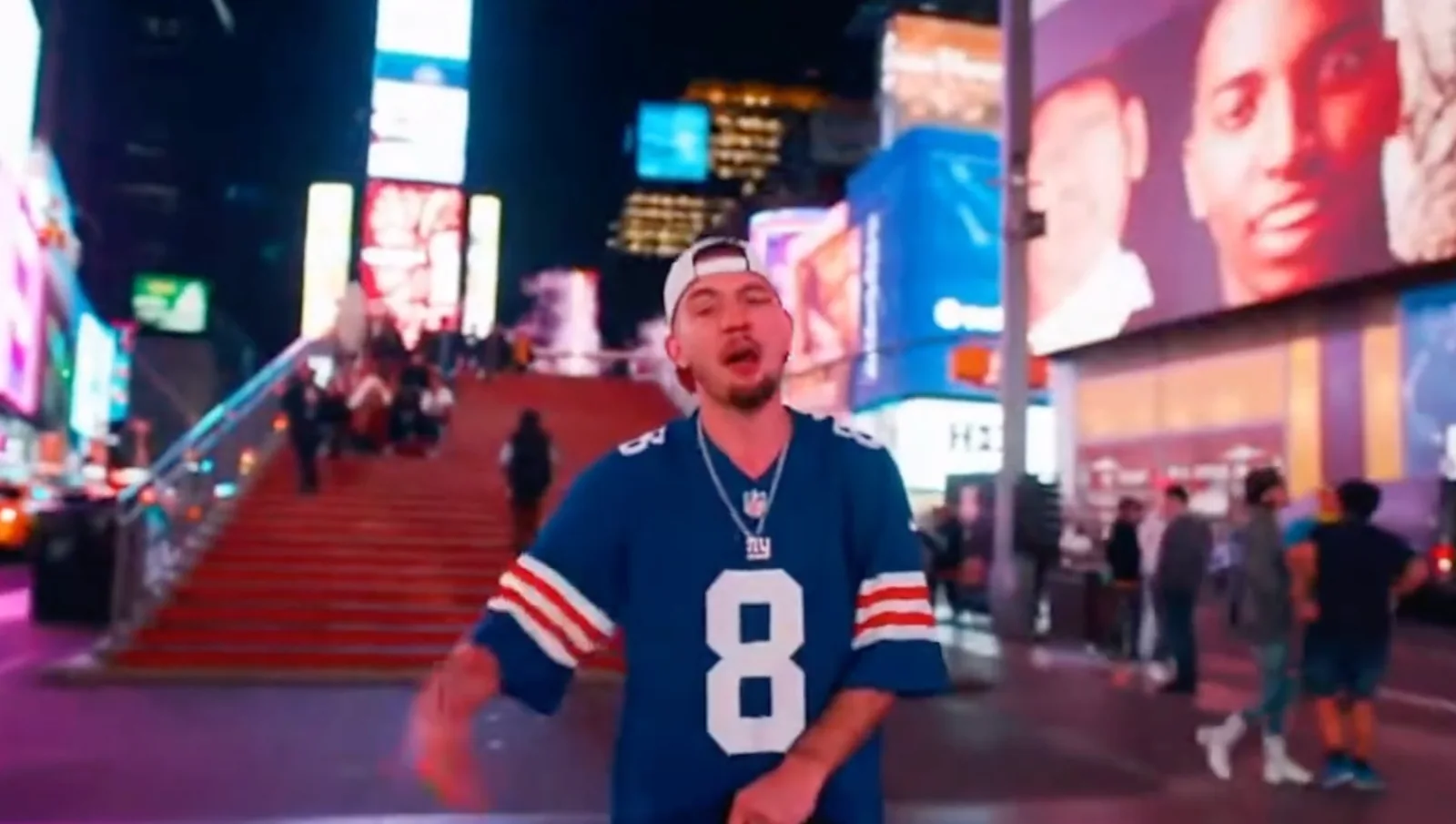
I'd work through ideas with LLMs, adjust the prompts, generate more clips and decide what to keep. A lot of it didn't work the first time. That was part of the point: 100 generations meant room to explore, not 100 finished films.
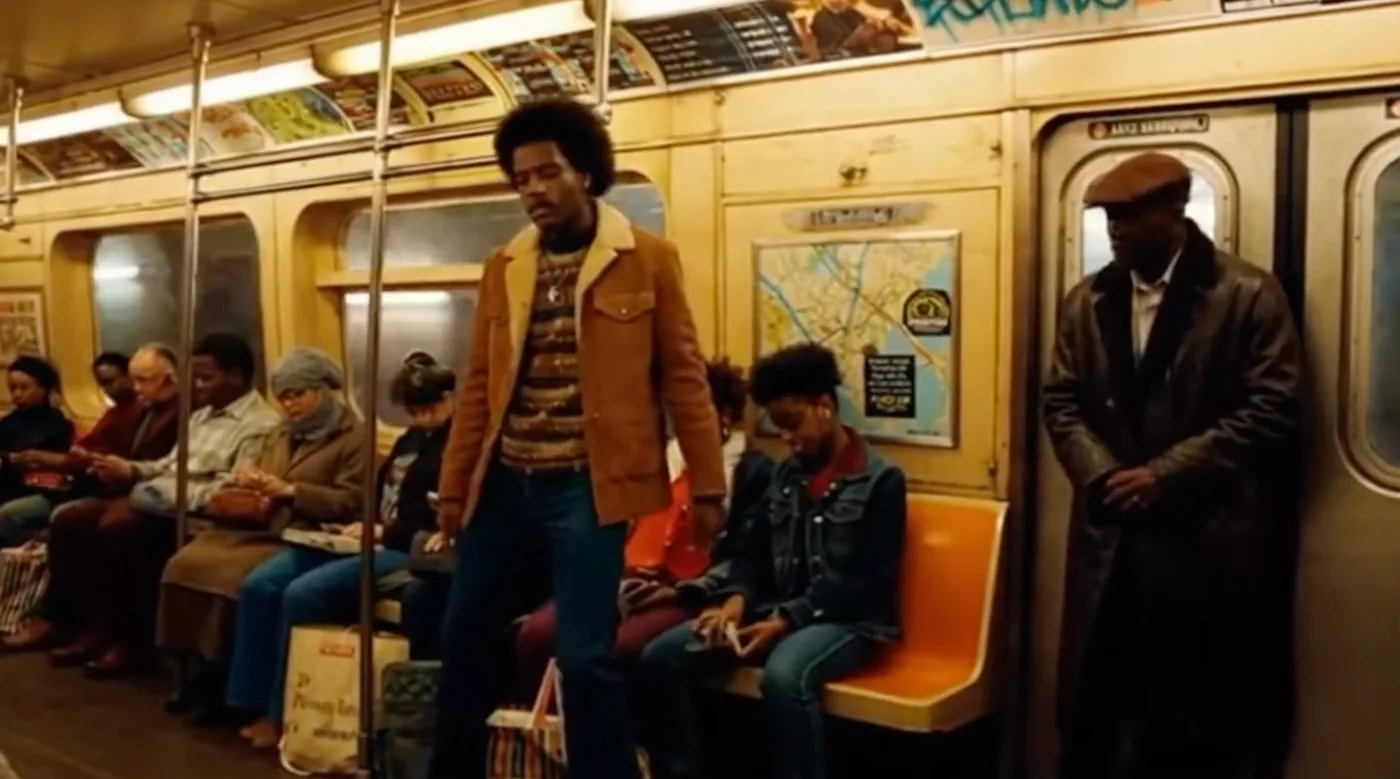

Early Sora Video Experiments
These original Sora exports still carry their watermarks. Their YouTube dates show how long I'd been experimenting with AI filmmaking before SUEZ3 had a name. I kept the early versions intact because the process—and its limitations—are part of the story.
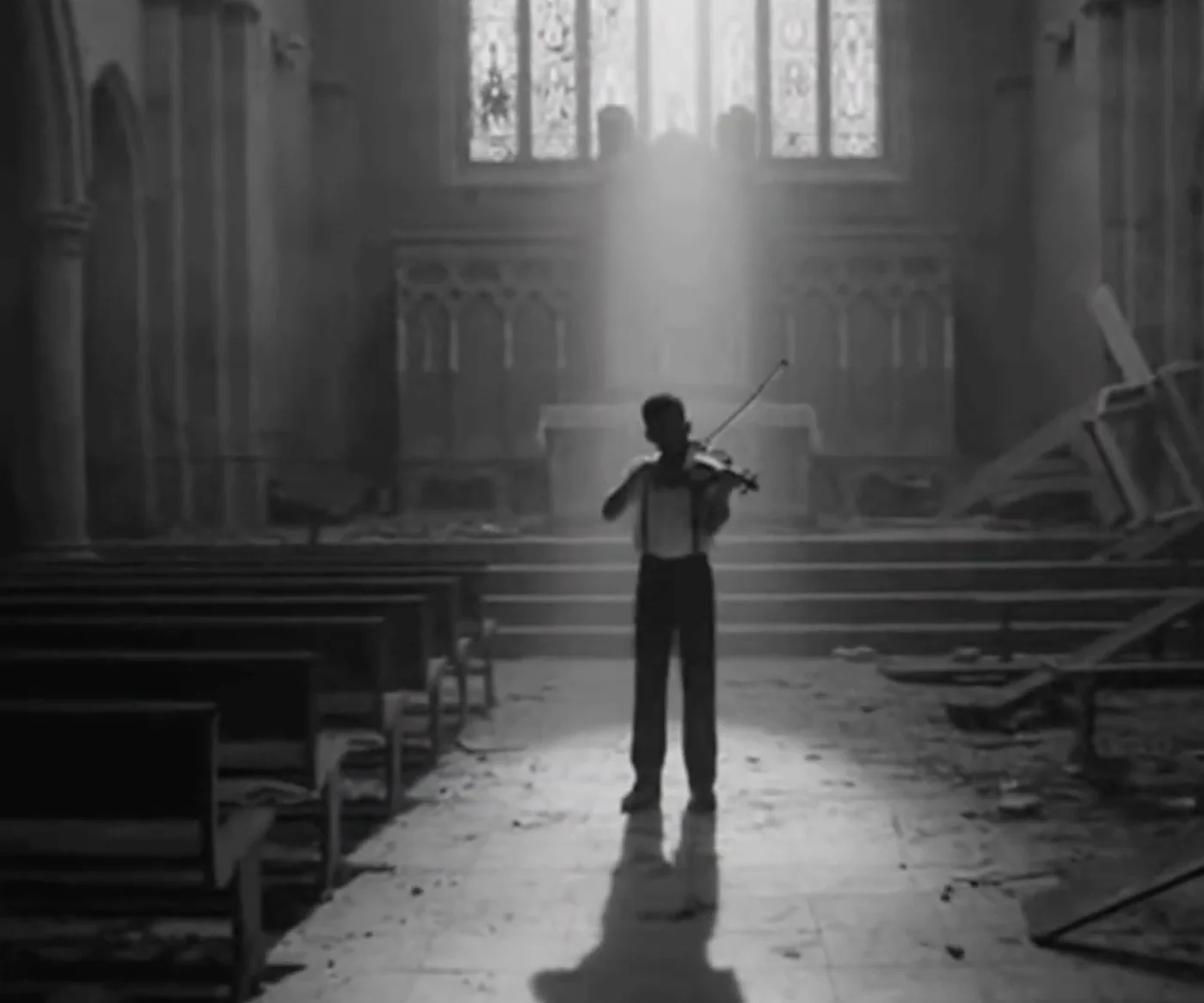
Strings Noir
I imagined a young boy haunted by nightmares and fragments of past lives. I tried moving between cinematic scenes and anime flashbacks, as though memory and reality were overlapping.
Watch Strings Noir
Sage and Sin
With Sage and Sin, I took the experiments into New Orleans. This time I was trying to make recurring characters, mystery and separate scenes feel like one continuing story.
Watch Sage and Sin
X-Nite
Then I changed the rules completely: a wisecracking superhero with a giant X-shaped head who does stand-up comedy at night. Ridiculous on purpose—and surprisingly challenging to make work on screen.
Watch X-NiteImagining Entire Worlds.
The projects couldn't have been more different. Strings Noir explored nightmares and past lives. Sage and Sin pushed me toward recurring characters and a more connected mystery.
And then there's X-Nite, a superhero with a comedy routine. That one let me try a completely different tone without worrying whether it belonged in the same world as anything else.
I was still figuring out how to direct scenes, keep characters recognizable and turn separate generations into something that felt connected. Each project came with a new problem to solve.
Visual direction
Composition, mood, lighting and movement.
Character continuity
Keeping recurring characters recognizable across clips.
Worldbuilding
Giving each story its own rules and atmosphere.
I slowed down eventually. The more time I spent generating, reworking and finishing clips, the more the costs added up. I still had plenty of ideas, but I had to be more deliberate about which ones I pursued.
Meanwhile, I was starting to create projects for friends, taking what I'd learned and applying it to someone else's idea. One of those projects was The Whole 9. While working on it, I discovered a new tool that would give all these pictures something they didn't yet have.
Music.