
I could make an interesting clip. Now I wanted to see if I could make a whole story.
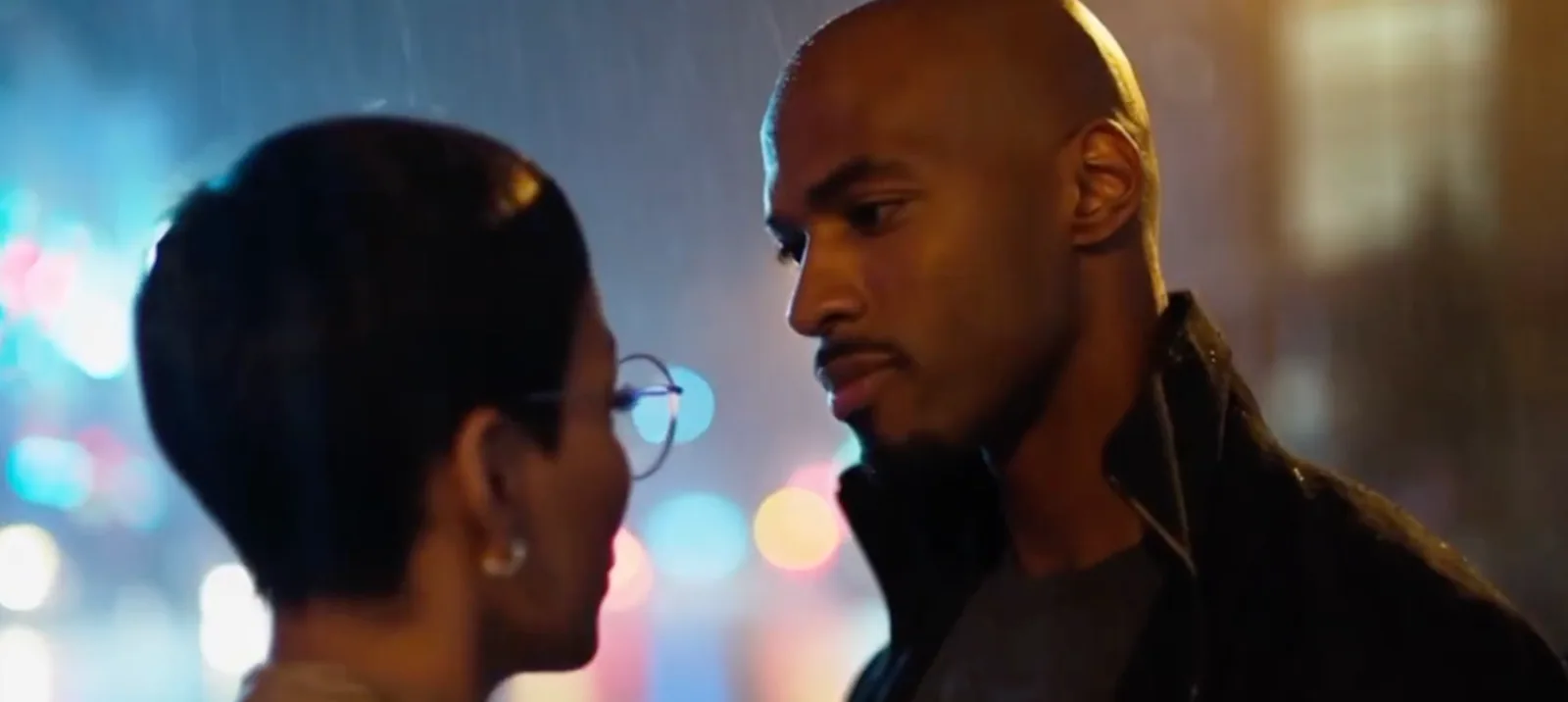
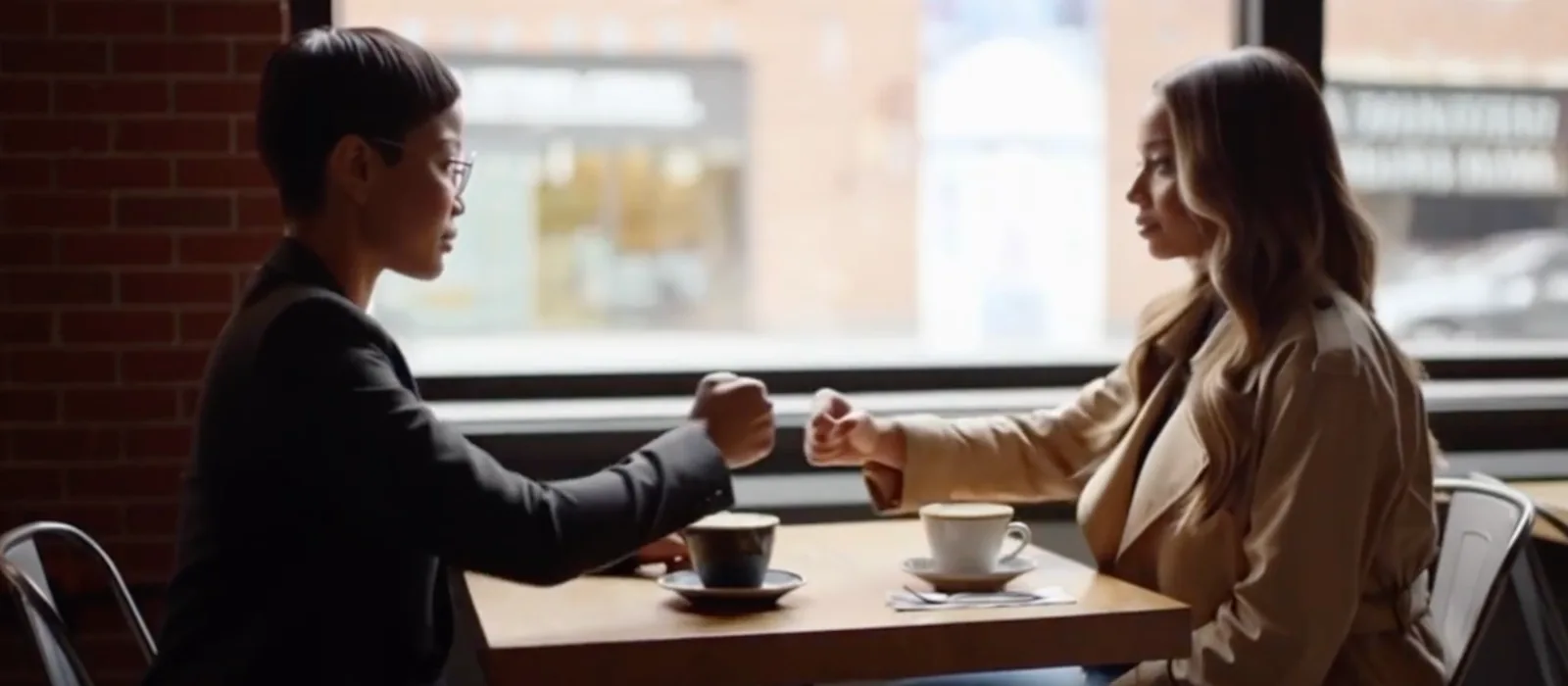
Working on The Whole 9 for a friend brought that question into focus. With Sora, getting one shot I liked was a challenge. Getting the next shot to feel like it belonged beside it? Different problem. A face might shift, the mood might change, or a beautiful image might do nothing for the scene.
This time I couldn't just follow an idea wherever it went. I had a story to finish, and that meant making some choices.
The Whole 9: Creating for Someone Else
The Whole 9 gave me a reason to move beyond collecting good-looking clips. I wanted the audience to pay attention to the people and their relationships, not the software behind them. Some moments needed humor; others depended on tension or emotion. Making those moments fit together took more editing than any single frame could show.
It was also somebody else's project. I had to respect the idea they brought to me, even when that meant cutting a shot I personally liked. That was a different kind of creative discipline, and I needed it.
I was starting to understand the difference between generating footage and actually directing a finished piece.
When Experiments Became a Workflow
My workflow was becoming a series of connected tools and decisions. I'd work through an idea with an LLM, test it in a visual tool, look at the result, and decide what needed another try. Sometimes the image was the problem. Sometimes it was the edit. A different tool could help with each.
I learned CapCut to assemble clips and work on timing. Topaz helped me enhance and upscale footage that needed another pass. Neither solved the creative question of what belonged in the finished scene. I still had to decide that.
And I liked figuring it out. The more I worked, the more I could tell which part of a project needed a better prompt, another generation, a cleaner edit—or simply a different idea.
And Then Came Suno
While developing The Whole 9, I discovered Suno. That was a turning point I didn't see coming.
Until then, I usually began with something I wanted to see. Now I could start with something I wanted to hear. A melody could suggest a mood. A hook could make me picture a character. I'd hear a song and immediately start thinking about what the video might look like.
Sora suddenly had another purpose. I wasn't just exploring moving pictures anymore; I had original music I could build pictures around.
The Science of Soul
Those music experiments grew into The Science of Soul — Volume 1: Believe in Love, a collection of 13 songs I made under XtheXcreatorXO.
This wasn't a SUEZ3 album at the beginning. I was trying different voices, moods and styles, listening for what worked and noticing which ideas made me want to create visuals. I hadn't built a single artist identity around the music.
That's why both covers are here. The original XtheXcreatorXO artwork shows where the album started. The later SUEZ3 edition shows how the work was presented after the artist identity developed. I don't want to tidy up the timeline and make it look more planned than it was.
Music and video were starting to push each other forward. I'd hear a track and picture a scene; then an edit could make me hear that same track a little differently. That connection had me hooked.
GOONs: The First SUE-Z
Then there was GOONs. In that experiment, I was working with a character I called SUE-Z. She wore her long dreadlocks in two high ponytails and had a streetwear look that was nothing like the SUEZ3 you know today.
At that point, she wasn't a fully developed recording artist. She was a character I wanted to keep testing. Could I put her in another shot and still recognize her? How much could I change without losing what made her interesting?
These frames show an early version, before the later revisions. I like having that version in the archive. You can see the idea while I was still figuring out what to do with it.


Making a Character Feel Consistent
Here's something you learn quickly with AI video: one convincing portrait doesn't mean you have a recurring character. The next clip can give you someone who looks almost—but not quite—the same. A small difference in the face, styling or lighting can pull you right out of the scene.
I started paying closer attention to continuity, not only in the visuals but in the choices connecting each shot. It meant getting more deliberate about what I kept, what I revised and what I was willing to throw away.
I didn't have everything figured out. But I was finally asking questions that made the next attempt better.
Something I Wanted to Keep Exploring
The Whole 9 made me finish a story for somebody else. Suno gave the video experiments a soundtrack of their own. The Science of Soul brought those musical ideas into one collection. And GOONs left me with SUE-Z, a character I kept coming back to.
I hadn't set out to launch an artist. I was following what interested me, learning the tools as I went, and realizing these separate experiments might belong to a much bigger idea.
The next chapter is where I tell you how SUE-Z became SUEZ3.